Duck Family DST PES Embroidery Design Review for Business Branding
First Impressions: A Friendly, Nature-Inspired Design for Versatile Merch
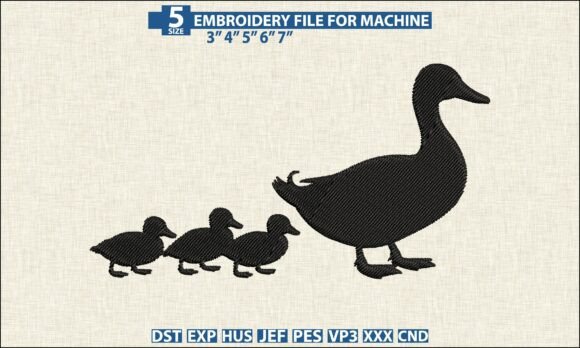
The Duck Family DST PES Embroidery Design immediately strikes a chord with its playful and wholesome aesthetic. As a professional embroidery designer, I appreciate how this silhouette-style duck family design evokes a sense of warmth and approachability. It reads as both handmade and professional, making it ideal for small businesses aiming to connect with customers through a natural, family-friendly visual language.
Given the product description's focus on nursery decor and baby clothing, the design likely leans toward a rustic charm and soft elegance, which can translate well into a variety of small business merch and branded patch applications.
Real Business Use: From Branded Patches to Staff Apparel
This machine embroidery design has the potential to be a versatile asset across multiple branding touchpoints. Let’s explore how it can be used effectively:
- Embroidered patches – The silhouette format works well for patches. The design’s clear outlines and minimal internal detail make it easy to stitch cleanly on twill, felt, or denim. Ideal for sew-on or iron-on patches for kids’ wear, boutique bags, or local pet brands.
- Staff uniforms and aprons – A subtle chest or sleeve embroidery using this design can personalize uniforms without overpowering the garment. Especially effective for cafés, bakeries, or farm-to-table shops with a nature theme.
- Cap embroidery – On the front of a cap, the duck family motif can be a soft yet memorable brand accent. However, care must be taken to ensure the design scales well to the smaller front cap area.
- Tote bag branding – As a side or bottom corner accent on canvas or linen totes, this design can elevate the perceived value of handmade or eco-conscious product packaging.
- Product labels and boutique merch – When stitched onto fabric tags or small accessories, the design adds a premium, handcrafted feel that Etsy sellers or local craft brands can leverage.
Where to Use with Caution
While the Duck Family DST PES Embroidery Design is charming and versatile, there are a few practical considerations for small business owners and embroidery professionals:
- Small patch sizes – The ducklings' outlines may lose clarity at very small dimensions. Test the design at your intended patch size before bulk production.
- Cap fronts and curved surfaces – The silhouette’s curves may distort slightly on the rounded surface of a cap. Always stitch a sample on the actual cap fabric and shape.
- High stitch density – If the design uses dense satin or fill stitches, it could pucker on soft or stretchy fabrics. Check the stitch density and adjust thread colors or spacing if necessary.
- Dark uniforms – The silhouette may require a light thread color or underlay to ensure visibility. Consider using a contrasting thread color or adding a white base layer.
- Frequent washing – For staff uniforms or aprons, ensure the stabilizer and hoop size are appropriate to prevent fraying or distortion after repeated laundering.
Brand Identity and Customer Perception
Embroidery is more than decoration—it’s part of a brand’s visual identity. The Duck Family DST PES Embroidery Design offers a soft, nature-inspired motif that can help establish a brand as warm, trustworthy, and community-oriented.
When used consistently across custom apparel, tote bags, and product tags, this design can enhance brand recognition and customer engagement. It’s especially effective for businesses with a rustic or eco-conscious image—think local bakeries, botanical studios, or pet-friendly shops.
From a design perspective, the silhouette style ensures a clean, consistent look across different embroidery files and fabric types, supporting a cohesive handmade presentation that resonates with modern consumers.
Practical Designer Notes for Production
Before using this digital embroidery file in a commercial setting, here are key steps every embroidery designer should take:
- Test in black and white first – This helps identify any hidden details or gaps in the design before committing to color threads.
- Check small patch scaling – Use embroidery software to resize and preview how the ducklings’ outlines hold up at smaller hoop sizes.
- Review thread color contrast – Especially on dark or textured fabric, ensure the thread colors you choose provide enough contrast to maintain clarity.
- Inspect spacing and density – Make sure the design doesn’t have overly tight spacing or heavy fill areas that could cause puckering or stiffness.
- Confirm hoop size and stabilizer – Match the hoop size to your machine and use a cutaway or tear-away stabilizer depending on the fabric type.
- Test on real fabric – Never rely solely on software mockups. Stitch a sample on the actual garment or patch material to check for distortion or stitch quality.
- Create a printable mockup – Show clients how the design will look on the finished product using a digital mockup tool, especially if they’re unfamiliar with embroidery placement.
- Compare with other design assets – Ensure this embroidery file works well alongside your other design assets, such as logos or vector graphics.
- Confirm commercial licensing – If you’re using this design for resale or client work, verify that the license allows for commercial use and multiple reproductions.
Final Thoughts: A Thoughtful Addition to Your Embroidery Branding Toolkit
The Duck Family DST PES Embroidery Design is more than just a cute animal motif—it’s a flexible brand identity tool that, when used thoughtfully, can elevate your small business merch and custom apparel offerings.
Whether you’re creating embroidered patches for a local pet store, apron embroidery for a café, or cap embroidery for a boutique, this design offers a charming, nature-inspired touch that aligns with a wide range of brand stories.
As with any commercial embroidery project, attention to detail during testing and production will ensure the finished product reflects the quality and professionalism your business deserves.