Coquette Lucky Embroidery Design Review
First Impressions: Playful Yet Professional
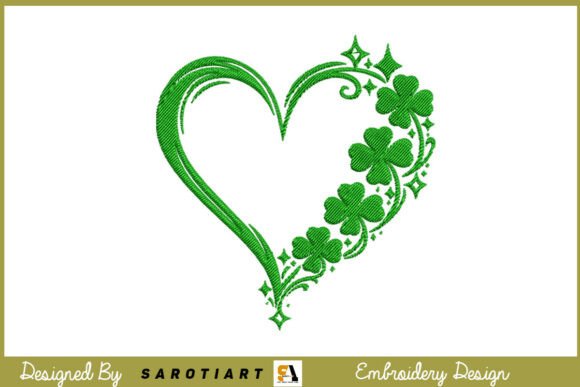
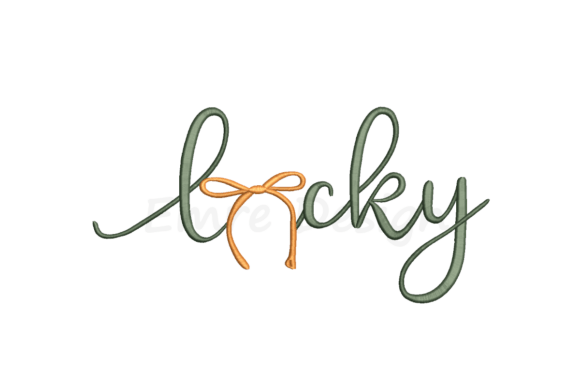
As an embroidery designer evaluating the Coquette Lucky Embroidery Design, my first impression is that it strikes a balance between whimsical charm and professional execution. The name and description suggest a design that’s fun, decorative, and versatile—ideal for small businesses looking to add a personalized touch to merchandise, patches, or branded apparel.
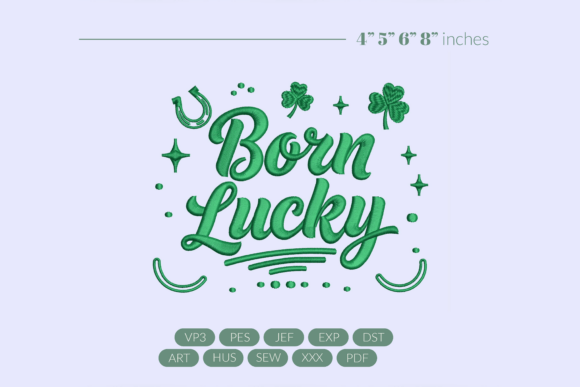
While it’s categorized under St. Patrick’s Day, the design itself doesn’t scream seasonal. Instead, it reads as a flexible embellishment that could work year-round, especially for brands with a playful or boutique aesthetic. It gives off a handmade yet polished vibe, which is perfect for Etsy sellers, local bakeries, florists, and craft-based businesses aiming to elevate their product presentation.
Real-World Business Use: From Caps to Tote Bags
One of the most important aspects of any embroidery file is its adaptability to different applications. The Coquette Lucky Embroidery Design seems well-suited for a variety of commercial embroidery projects:
- Embroidered patches – Its decorative nature makes it a standout patch option for jackets, bags, or staff uniforms.
- Cap embroidery – The design could work as a front or side accent, depending on the hoop size and complexity.
- Tote bag design – Adds a charming touch to reusable bags, which are popular among boutique and café merchandise.
- Apron embroidery – Perfect for bakeries or studios wanting a custom look without being too bold.
- Product packaging accents – Can be stitched onto fabric tags or pouches for handmade brands.
This machine embroidery design feels versatile enough to be used as a chest logo accent, sleeve detail, or even a branded patch on customer gifts. It supports a cohesive brand identity while maintaining a sense of personality and approachability.
Where to Use It Carefully
Despite its charm, there are certain applications where caution is necessary. As with any intricate design, there are potential limitations:
- Small patch sizes – The finer details may get lost if scaled down too much.
- Curved surfaces – Caps or rounded tote handles may distort the design unless tested first.
- Textured fabric – Rough or uneven materials may affect stitch definition.
- Dark uniforms – Light thread colors may require underlay adjustments for visibility.
- High stitch density – Could cause stiffness or fabric puckering if not balanced with stabilizer use.
Before mass production, always test the design on a sample fabric to ensure it holds up to frequent washing and daily wear—especially for uniforms, aprons, or work shirts.
Brand Identity and Customer Perception
Choosing the right embroidery file can significantly impact brand perception. The Coquette Lucky Embroidery Design brings a sense of warmth and personality to any item it’s stitched onto. For small businesses, that translates into a more approachable and memorable brand image.
When used consistently across merchandise like tote bags, caps, and aprons, this design can help build visual consistency and reinforce customer recognition. It also adds a handmade presentation that resonates well with today’s market of conscious consumers who value authenticity and craftsmanship.
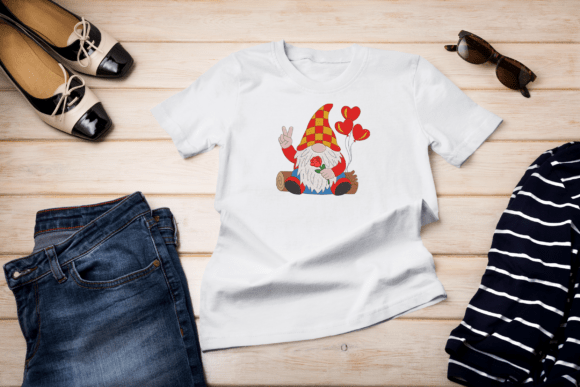
For Etsy sellers and handmade brands, this kind of design can elevate a product from generic to custom, increasing product value and buyer engagement—especially when paired with printable mockups for client approval before stitching.
Designer Notes: Pre-Production Checklist
Before committing to using the Coquette Lucky Embroidery Design in a commercial embroidery project, here are several practical steps I recommend:
- Test it in black and white first – Helps identify clarity and contrast issues.
- Check small patch size compatibility – Ensure key elements remain visible when scaled down.
- Review thread color contrast – Especially on dark or textured fabrics.
- Inspect spacing and density – Avoid puckering or stiffness by adjusting stitch settings if needed.
- Confirm hoop size – Make sure it fits your machine and intended placement area.
- Test on real fabric – Always better than relying solely on digital previews.
- Use proper stabilizer – Prevents shifting and distortion during stitching.
- Create a mockup for client approval – Especially useful for small business clients unsure about the design.
- Compare it beside other design assets – Ensures it aligns with existing logos or branding elements.
- Confirm commercial licensing – Never assume a digital embroidery file is business-use friendly.
These steps are crucial for ensuring the finished product looks professional, functions well, and aligns with the client’s branding goals.
Final Thoughts: A Versatile Addition to Your Design Toolkit
The Coquette Lucky Embroidery Design is a solid choice for small business merch, custom apparel, and boutique branding. Whether you're creating embroidered patches, cap designs, or tote bag accents, this design brings both personality and professionalism to the table.
As long as you test it thoroughly and consider fabric, thread, and placement carefully, it can be a valuable asset in your design assets library. For embroidery shops, crafters, and digital embroidery file buyers, this machine embroidery design offers a blend of charm and utility that’s hard to beat.